

Larry L. King was a Texas author famous for inspiring the popular Broadway musical “The Best Little Whorehouse in Texas.” He initially dropped out of high school to join the Army, where he developed a passion for storytelling as a reporter, working on as a sports and crime reporter for the Midland Reporter-Telegram and the Odessa American newspapers. His article on the Chicken Ranch brothel gained recognition and led to the musical adaptation.
King’s works are celebrated for blending humor and critical insights into Texas culture. There’s much more to uncover about his fascinating expedition and impact.
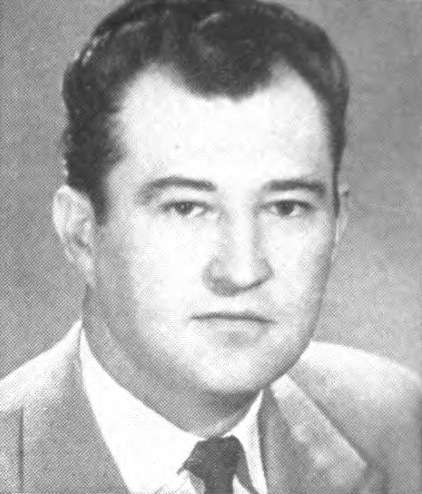
Image: Bill Wittliff, LLK., CC BY-SA 3.0
Early Life and Education
Larry L. King, born in Putnam, Texas, on January 1, 1929, was the youngest child in his family. Growing up, his mother, an avid reader, played an essential role in shaping his love for writing. She introduced Larry to the works of Mark Twain, whose storytelling greatly influenced his aspirations.
Despite this literary inspiration, he dropped out of high school to join the Army. There, he honed his journalism skills by working as a reporter for the base paper. This early experience in writing and reporting laid the groundwork for his future career.
Although he briefly attended college post-service, the seeds of his Texas upbringing and Twain’s influence had already set him on a journalistic path.
Military Service and Journalism Beginnings
While many young men of his generation were drawn to military service during the Korean War, King distinguished himself by channeling his passion for storytelling into journalism. Joining the Army, Larry L. King became a reporter for the base newspaper, which laid the foundation for his career in journalism.
After his military service, he honed his writing skills as a sports and crime reporter for small newspapers across Texas and New Mexico, including the Midland Reporter-Telegram and the Odessa American newspapers. His deep understanding of Texas culture informed his sharp, engaging articles.
In 1954, King moved to Washington, D.C., working for Texas Congressman J. T. Rutherford. His path eventually led him to contribute to the New Journalism movement, where his work appeared in prominent magazines, capturing the essence of Texas politics.
Transition to Writing Career
After honing his skills in journalism and gaining insights into Texas politics, King decided it was time for a change in 1964. Leaving his role as an aide to Congressman J. T. Rutherford, Larry L. King focused on journalism and literary contributions.
He soon made a mark with his article on the Chicken Ranch brothel, which became the Broadway musical “The Best Little Whorehouse in Texas” through article adaptation. As a prominent figure in the New Journalism movement, King’s work was known for its wit and sharp critiques of American culture.
His shift was marked by contributions to Texas Monthly and other major publications. His career alteration propelled him to author fourteen books, cementing his legacy in American literature.
Major Literary Contributions and Themes
A masterful storyteller, Larry L. crafted a literary legacy that strikes a chord with readers through his unique blend of humor and critical insight.
His Broadway musical “The Best Little Whorehouse in Texas” showcased his ability to capture societal norms and the complexities of Texas identity with wit.
In “Confessions of a White Racist,” King tackled themes of racial bias and social justice, earning a National Book Award nomination. His writing often critiqued American culture, offering personal reflections and societal commentary. Y
ou can identify three significant aspects of his work:
- Investigation of racial and societal issues: King’s work examined racial bias and challenged societal norms.
- Deep connection to Texas culture and identity.
- Use of humor to address serious themes.
The Creation of ‘The Best Little Whorehouse in Texas’
The journey of creating “The Best Little Whorehouse in Texas” began with Larry L. King, who took inspiration from his Playboy article about the infamous Chicken Ranch brothel. Collaborating with Peter Masterson, King transformed his story into a lively musical.
The music and lyrics crafted by Carol Hall complemented King’s engaging storytelling. This creative endeavor introduced audiences to Miss Mona Stangley, whose brothel faced closure due to political pressures and intense media scrutiny.
Premiering off-Broadway on April 17, 1978, the production quickly moved to Broadway by June 19, 1978. Despite mixed initial reviews, the musical captivated audiences with its playful spirit.
Running for 1,584 performances, it showcased King’s distinctive prose style on the grand stage of Broadway.
Awards and Recognitions
Though Larry L. King is best known for “The Best Little Whorehouse in Texas,” his achievements go beyond this Broadway musical.
His autobiographical work, “Confessions of a White Racist,” earned him a finalist spot for the National Book Award in 1972, showcasing his literary prowess. In 1982, he snagged an Emmy Award for the CBS documentary “The Best Little Statehouse in Texas,” proving his versatility.
His theatrical contributions are just as notable:
- “The Best Little Whorehouse in Texas” received a Tony Award nomination for Best Musical in 1978.
- “The Night Hank Williams Died” won him the Helen Hayes Award for Best New Play in 1989.
- The Texas Book Festival honored him with a Lifetime Achievement Award in 2004.
Legacy and Influence on Texas Culture
While Larry L. King’s work on “The Best Little Whorehouse” captured national attention, his true legacy lies in his profound influence on Texas literature and culture. By weaving humor and sharp social critique into his writing, King raised the cultural significance of Texas storytelling.
His autobiographical essays and profiles of politicians offered incisive commentary on societal norms, enriching the broader American narrative about Texas culture.
His awards, including the Lifetime Achievement Award from the Texas Book Festival, underscore his impact on journalism and theater. King’s influence persists through the Larry L. King Theatre in Austin, ensuring future generations appreciate his contributions.
His legacy is a reflection of his role in shaping Texas’s literary and cultural landscape.
Archives and Resources for Further Exploration

Larry L. King’s archives at the Southwestern Writers Collection at Texas State University offer an in-depth look into his literary works. You’ll find manuscripts and photographs that span his career, with a significant focus on the period between 1957 and 1993. These archives include:
- Correspondence: Investigate over 40,000 letters revealing insights into his writing projects, fan responses, and discussions with notable figures, showcasing his influence.
- Manuscripts and Playbooks: Examine selected works like “Confessions of a White Racist” and “The Best Little Whorehouse in Texas,” highlighting his contributions to literature and theater.
- Photographs and Memorabilia: Probe into personal mementos and visuals capturing King’s life, enriching your understanding of his voyage.
For anyone interested in King’s impact, these resources are invaluable.
